
Gas Nitriding
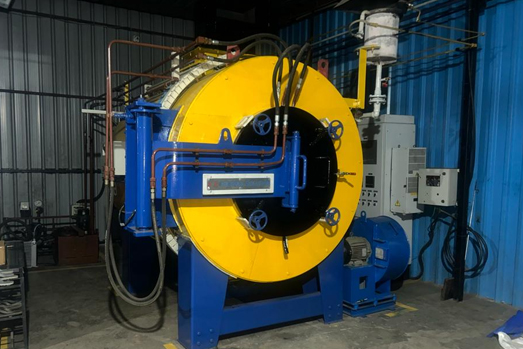
Low-pressure gas nitriding is a thermochemical heat treatment process that enhances the surface properties of metal components by diffusing nitrogen into the material at reduced pressure. This process, typically performed at temperatures between 500-570°C and pressures around 300 mbar, results in a hardened surface layer with improved wear resistance, fatigue life, and corrosion resistance. The reduced pressure facilitates better gas exchange and a more uniform nitride layer formation.
Review from our clients
Lorem ipsum dolor sit amet, consectetur adipiscing elit, sed do eius mod
tempor incididunt ut labore et dolore magna aliqua.

Best Consulting Firm
Neque porro quisquam est, qui dolorem ipsum quia dolor sit amet, consectetur, adipisci velit, sed quia non numquam eius modi tempora incidu laboreetde magnam aliquam quaerat voluptatem.

Alexa Reid
Synopsis
Nice People
Neque porro quisquam est, qui dolorem ipsum quia dolor sit amet, consectetur, adipisci velit, sed quia non numquam eius modi tempora incidu laboreetde magnam aliquam quaerat voluptatem.

Alva Goldhammer
Synopsis
Nice People
Neque porro quisquam est, qui dolorem ipsum quia dolor sit amet, consectetur, adipisci velit, sed quia non numquam eius modi tempora incidu laboreetde magnam aliquam quaerat voluptatem.
Alva Goldhammer
Synopsis
Nice People
Neque porro quisquam est, qui dolorem ipsum quia dolor sit amet, consectetur, adipisci velit, sed quia non numquam eius modi tempora incidu laboreetde magnam aliquam quaerat voluptatem.
Adam McDonald
Synopsis