
Vacuum Annealing: Enhancing Metal Quality Through Precision Heat Treatment
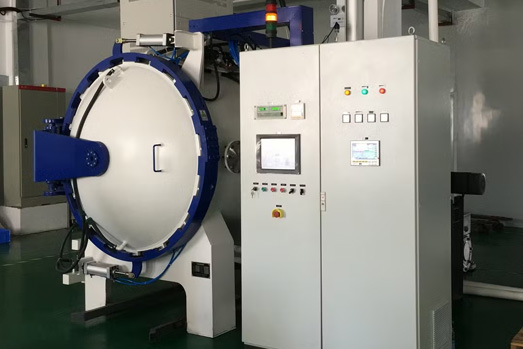
Vacuum annealing is a specialized heat treatment process used to relieve internal stresses, soften metals, and improve their structural uniformity. Performed in a vacuum furnace, vacuum annealing prevents oxidation and contamination, making it ideal for high-purity and high-performance components.
Review from our clients
Lorem ipsum dolor sit amet, consectetur adipiscing elit, sed do eius mod
tempor incididunt ut labore et dolore magna aliqua.

Best Consulting Firm
Neque porro quisquam est, qui dolorem ipsum quia dolor sit amet, consectetur, adipisci velit, sed quia non numquam eius modi tempora incidu laboreetde magnam aliquam quaerat voluptatem.

Alexa Reid
Synopsis
Nice People
Neque porro quisquam est, qui dolorem ipsum quia dolor sit amet, consectetur, adipisci velit, sed quia non numquam eius modi tempora incidu laboreetde magnam aliquam quaerat voluptatem.

Alva Goldhammer
Synopsis
Nice People
Neque porro quisquam est, qui dolorem ipsum quia dolor sit amet, consectetur, adipisci velit, sed quia non numquam eius modi tempora incidu laboreetde magnam aliquam quaerat voluptatem.
Alva Goldhammer
Synopsis
Nice People
Neque porro quisquam est, qui dolorem ipsum quia dolor sit amet, consectetur, adipisci velit, sed quia non numquam eius modi tempora incidu laboreetde magnam aliquam quaerat voluptatem.
Adam McDonald
Synopsis